Carpet & rug cleaning in Singapore: methods, drying and what it costs
A carpet or rug is the hardest-working soft furnishing in the home. It absorbs foot traffic, grit, spills, dust and allergens all day, then quietly holds onto them. The trouble is that most of what makes a carpet "dirty" sits deep in the pile where a household vacuum can't reach, and in Singapore's climate the way you clean it out matters just as much as whether you clean it at all. Here's how the different methods actually work, why drying is the real challenge here, and how to get a clear price without the guesswork.
The short answer
- Deep-clean method that works: hot water (steam) extraction, which flushes the pile and pulls the dirt back out.
- The hard part in Singapore: drying. Humidity means a soaked carpet dries slowly, so the equipment has to extract the moisture, not just add water.
- Know your fibre first: synthetic is robust, wool needs a gentler touch, viscose and jute are water-sensitive and need specialist care.
- How often: a deep clean every 6 to 12 months, sooner for high-traffic areas.
- BRISC: deep hot-steam extraction and deodorising, from $55 a piece, usually dry in hours. Final price confirmed on WhatsApp.
The carpet cleaning methods you'll come across
When you start looking, you'll see a handful of terms thrown around as if they're interchangeable. They aren't. Each does a different job, and only one of them is a genuine deep clean.
Dry vacuuming is maintenance, not cleaning. It lifts loose surface grit and pet hair, and you should do it weekly, but it can't touch the oils, ground-in soil and dust mites that live down in the pile. Think of it as brushing your teeth, not going to the dentist.
Shampooing and bonnet cleaning are surface methods. A machine works a foaming detergent or a spinning absorbent pad across the top of the carpet. It can make a carpet look brighter for a while, but it mostly cleans the top layer and often leaves detergent behind, which then attracts fresh dirt and can leave the carpet looking dull again quickly.
Dry-compound (very-low-moisture) cleaning spreads an absorbent powder or compound into the pile, lets it bind to the soil, then vacuums it out. Its selling point is a fast turnaround with barely any water, which is handy for commercial floors that can't be closed off. It's gentler than a full flush, but it also lifts less deep soil.
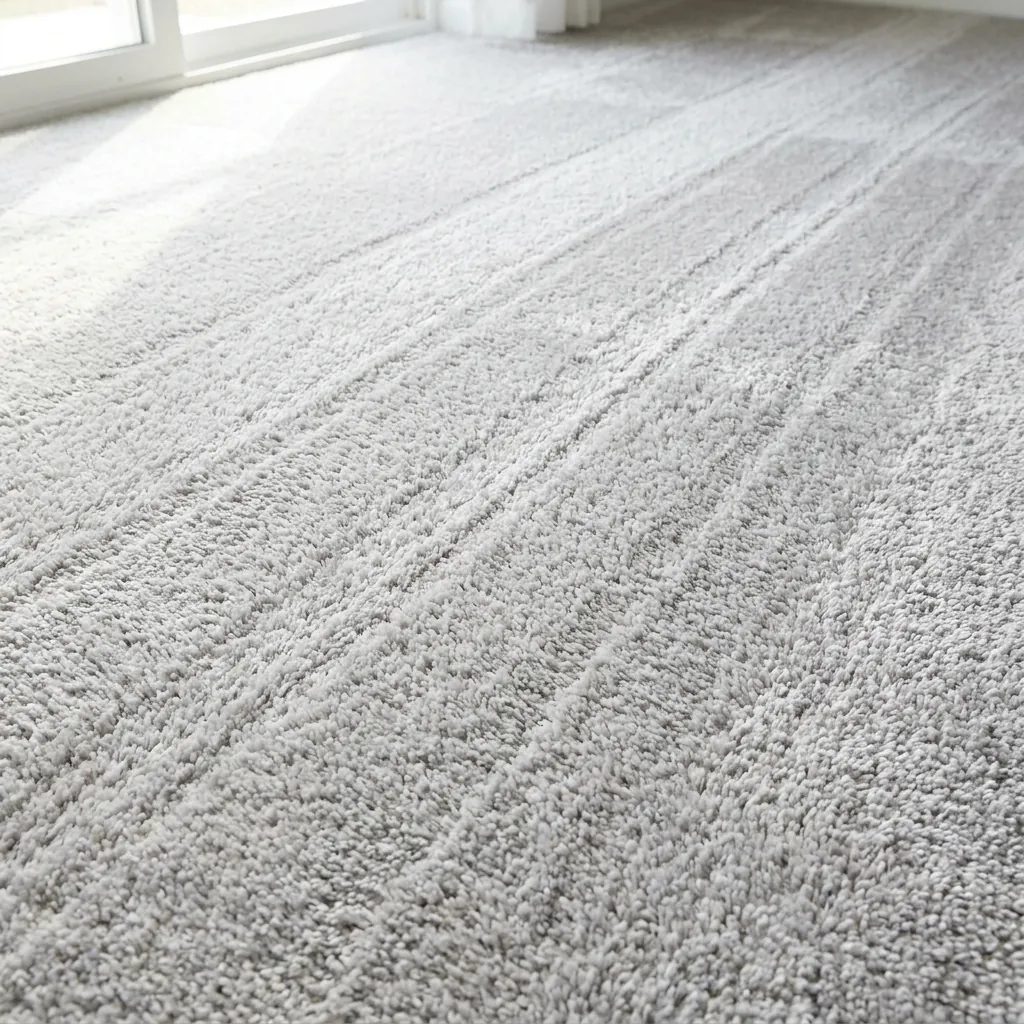
Hot water extraction, commonly called steam cleaning, is the proper deep method. Hot water and a cleaning solution are injected into the pile under pressure to loosen and dissolve the trapped soil, and a powerful vacuum immediately extracts that dirty water straight back out. Because it flushes the carpet all the way down and then removes what it loosened, it reaches the allergens, dust mites and embedded grime the other methods leave behind. This is the method BRISC uses: deep hot-steam extraction with deodorising, so the carpet is genuinely cleaned through, not just freshened on top. See carpet & rug cleaning for how we tailor it to different pile types.
Why drying is the hard part in Singapore
Here's the part most guides skip, and it's the one that matters most locally. The clever bit of carpet cleaning in Singapore isn't getting water into the carpet, it's getting the water back out. Our air is warm and humid almost every day of the year, so a carpet that's left soaked doesn't dry quickly the way it might in a drier climate. It sits damp for hours, and a damp carpet is exactly where a musty smell, mould and bacteria take hold, right in the padding where you can't see them.
That's why the extraction is the whole point. A good clean removes the vast majority of the moisture in the same pass, so the pile is left just lightly damp rather than sodden, and it dries in hours rather than overnight. The difference between a carpet that smells fresh and one that turns musty a week later usually comes down to this single factor: how much water was pulled back out, and how fast the pile dried. Any method that pumps in a lot of water without strong extraction is a genuine risk here. It's the differentiator worth asking any cleaner about before you book, and it's exactly why we lean on high-extraction hot-steam equipment rather than surface shampooing. The same humidity logic is why our how-often-to-clean guide recommends shorter intervals for Singapore homes than overseas advice does.
Know your rug before you clean it
Not every carpet can take the same treatment. The single most important thing to establish before any cleaning starts is what the fibre is, because the wrong method on the wrong fibre can shrink it, bleed the dyes or leave permanent watermarks. Here's what each of the common types needs.
| Fibre | How it behaves | What it needs |
|---|---|---|
| Synthetic (nylon, polypropylene, polyester) | The most robust and forgiving; resists water and most stains | Handles full hot water extraction well; the easiest to deep clean |
| Wool | Natural, softer, more absorbent and sensitive to heat and harsh chemicals | A gentler, pH-balanced approach and careful, controlled drying |
| Viscose / art silk | Delicate and highly water-sensitive; marks and distorts easily | Specialist low-moisture care and a patch test in a hidden corner first |
| Jute / sisal | Very water-sensitive natural fibres; can brown or warp if over-wet | Minimal moisture and specialist handling, never a heavy soaking |
The takeaway is simple: a hard-wearing synthetic living-room carpet and a delicate viscose rug are two completely different jobs. If you're not sure what your rug is made of, that's fine, just don't guess with water on it. A professional will identify the fibre, test a hidden corner and pick the method to match, which is the safest way to protect a rug you care about.
Area rugs vs wall-to-wall carpet
How a carpet is cleaned also depends on whether it's a loose rug or fixed to the floor. Area rugs can be cleaned in place in your home, or lifted and treated separately for a more thorough job, especially useful for a rug that needs both sides worked on or a delicate fibre that benefits from controlled drying. Because a loose rug can be handled front and back, it's often possible to get a deeper result than with a fixed carpet.
Wall-to-wall carpet is cleaned in situ, extracted where it lies since it can't be moved. The thing to watch here is the high-traffic zones: hallways, the path from the door to the sofa, the area around a desk or dining table. Those strips wear and soil far faster than the corners of the room, so they're worth pointing out to your cleaner so they get extra attention rather than a single even pass. Whichever you have, our services & pricing page shows how we quote by piece so you're not paying for guesswork.
DIY spot cleaning between deep cleans
Between professional cleans, how you handle spills makes a real difference to how the carpet ages. A few simple rules cover most situations:
- Act fast. A fresh spill lifts far more easily than a dried-in stain. The longer it sits, the deeper it sets into the pile and padding.
- Blot, don't rub. Press a clean cloth straight down to soak the liquid up. Rubbing spreads the stain wider and pushes it further into the fibres.
- Test a hidden corner first. Before you put any cleaning product on the visible carpet, dab it on an out-of-sight patch to check it doesn't bleed the colour.
- Don't over-wet it. This is the big one in our climate. Too much water on a spot can't be extracted properly at home and will be slow to dry, which risks the same musty problem as a bad full clean.
Spot cleaning keeps things tidy, but it has clear limits. It only ever tackles the surface of one small area, and it can't remove the dust mites, allergens and ground-in soil spread through the whole carpet. That's the job of a periodic deep clean, and no amount of careful blotting replaces it. For the full home routine, including drying a rug on a tile floor, see how to clean a carpet or rug at home.
How often, and what it costs
For most homes, a professional deep clean every 6 to 12 months keeps a carpet genuinely healthy rather than just presentable. Move to the shorter end if you have pets, young children who play on the floor, anyone with allergies, or high-traffic areas that see shoes worn indoors. Between cleans, vacuum weekly so grit doesn't grind into the pile and wear it out early.
On price, carpets and rugs vary a lot by size, fibre and condition, so a flat sticker rarely tells the true story. BRISC carpet and rug cleaning starts from $55 a piece, and because the honest number depends on what you actually have, we confirm the final price on WhatsApp once we know the size and fibre. Send a quick photo and rough dimensions and you'll get a clear quote back, no surprises on the day. Our hot-steam extraction removes up to 99.9% of dust mites and bacteria and finishes with deodorising, and because we extract the moisture as we go, the carpet is usually dry in hours. When you're ready, message us or use the contact page to book.
Frequently asked questions
How long does a carpet take to dry after cleaning in Singapore?
Can you clean a wool or viscose rug?
Is steam carpet cleaning safe for kids and pets?
How often should I get my carpet professionally cleaned?
Get your carpet or rug quote
Send us a photo of your carpet or rug on WhatsApp with rough dimensions, and we'll confirm the method, the drying and a clear price. No obligation, no upsell.